Prototyping and Testing
Behind the scenes on how we developed out first Ember kit!
Timeline
Interviews and Ideation
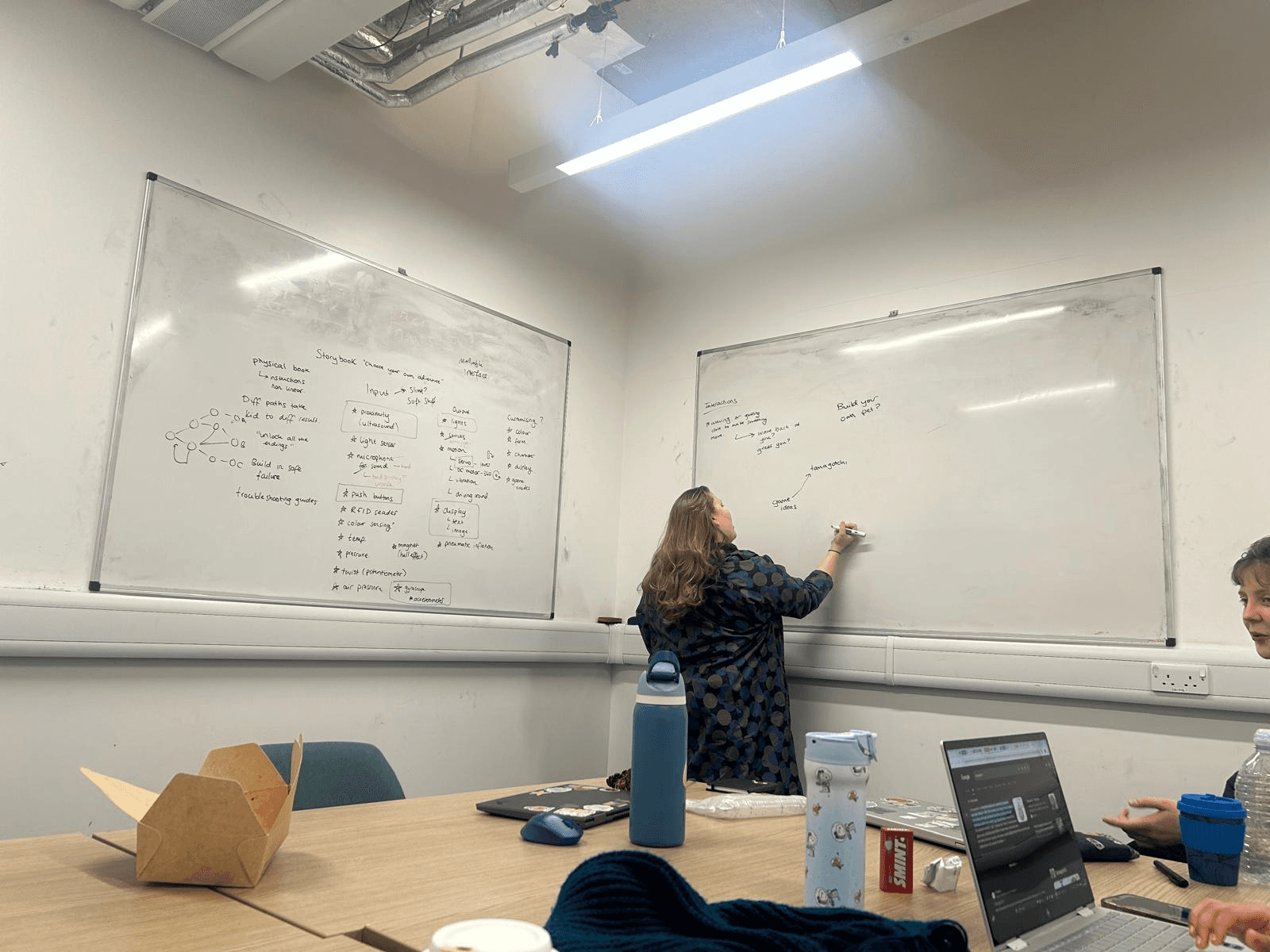
Following on all our desk research and primary investigations - including interviewing to numerous parents , teachers , head teachers , and outreach experts - we started the ideation process in the first Ember. Combining electronics and mechanics in a truly creative format suitable for 7-8 year olds.
1
2
Proof of Concept Prototpying
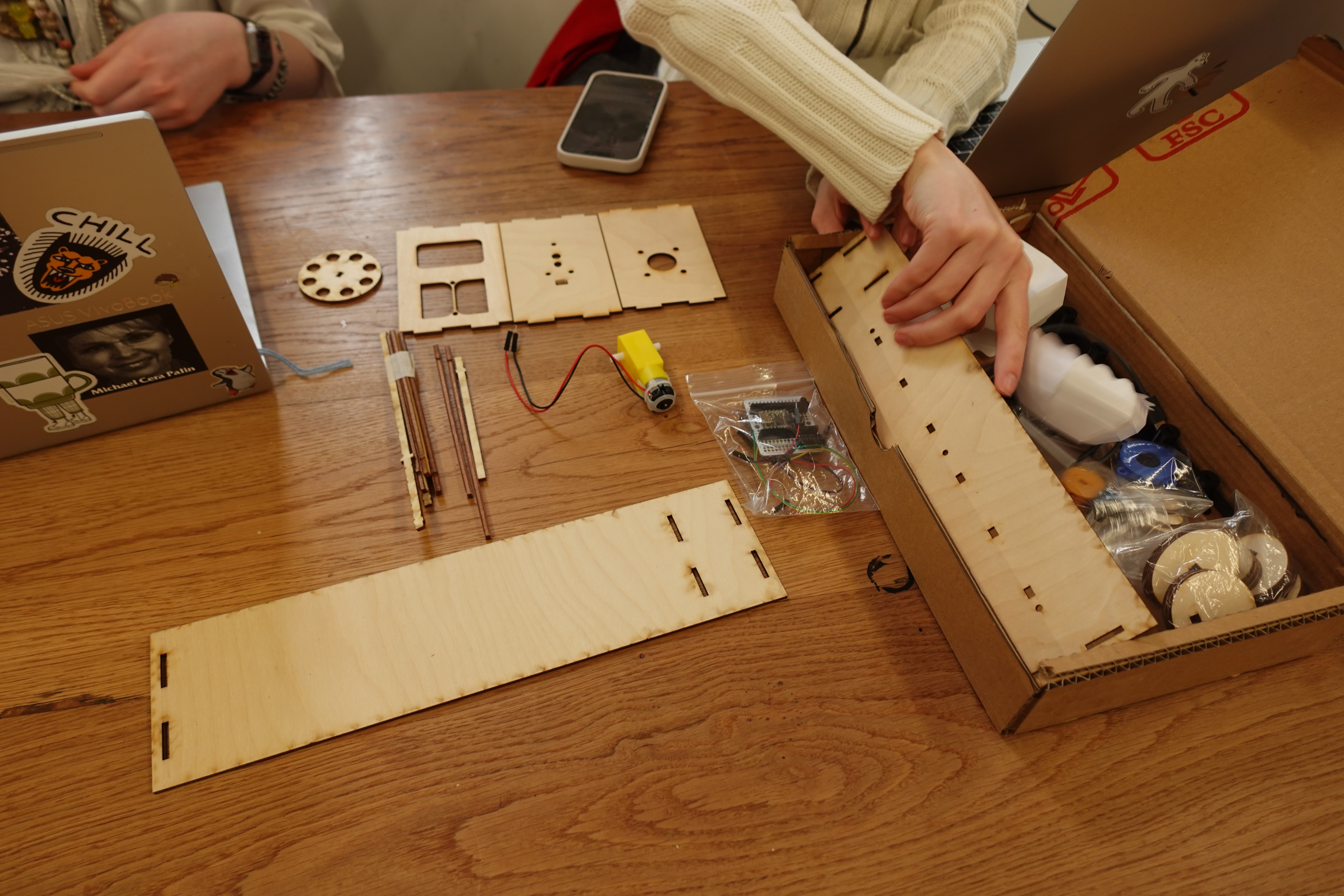
We developed the first viable proof-of-concept prototype of the Ember kit. Team members who were not involved in the design or manufacturing tested the kit using only the draft instructions, helping us validate usability and identify early improvements.
Early Stage Usability Testing
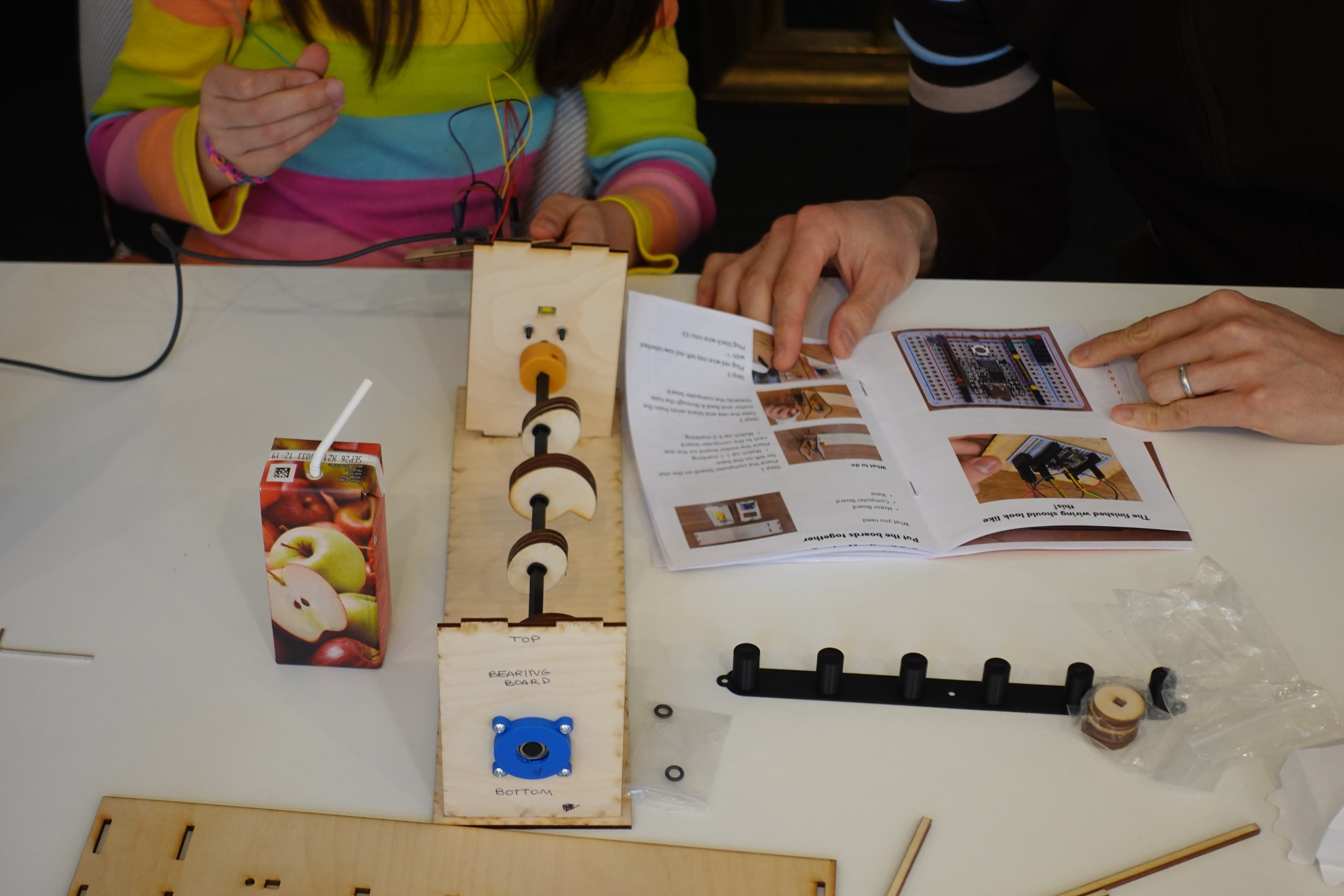
We tested the kit with a child and their parents using a visual instruction booklet. With no time constraints, we observed how families naturally interacted with the product, generating valuable insights on usability, engagement, and instruction clarity that informed further design refinements.
3
4
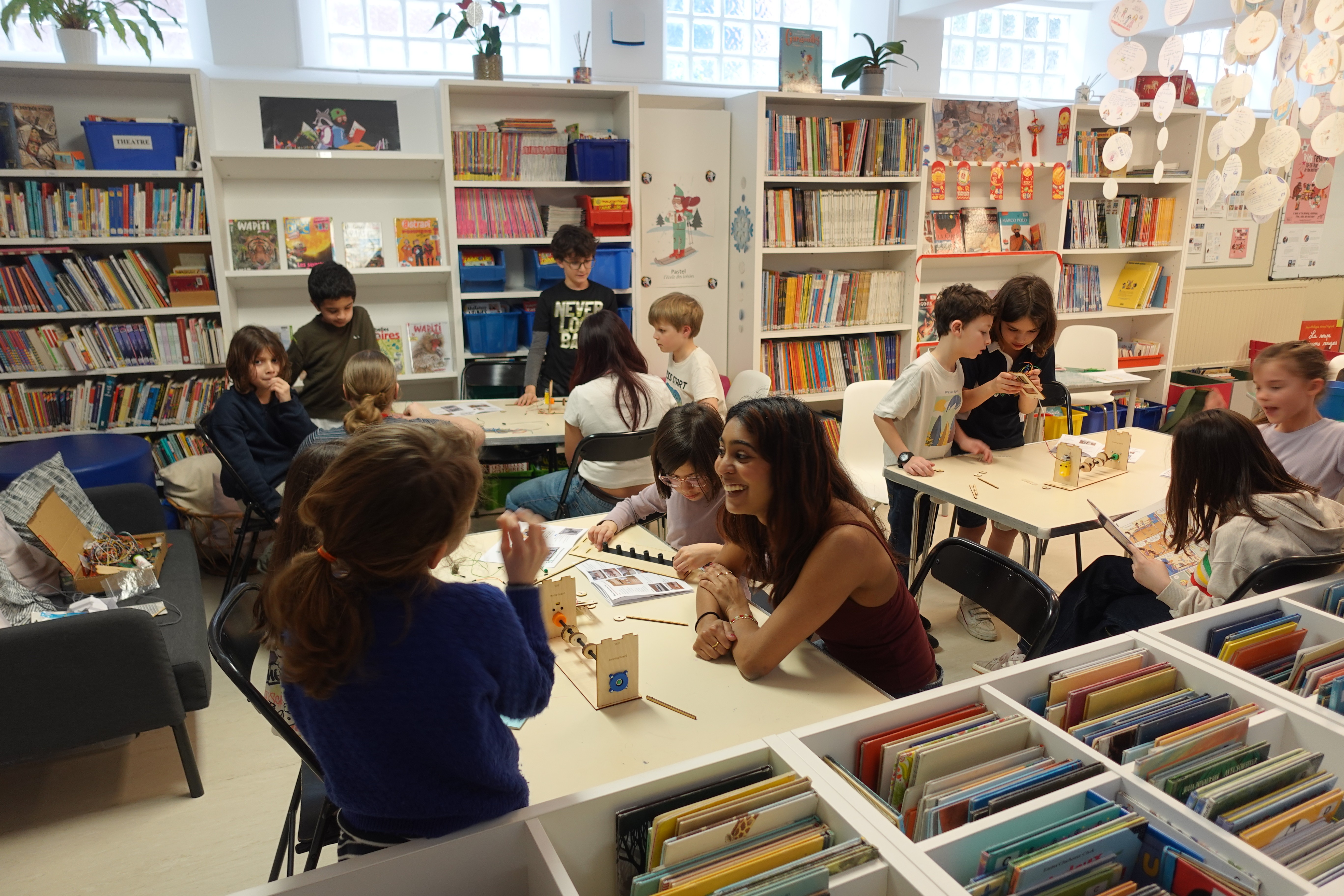
A/B Testing Groups
A/B testing was conducted at a school, comparing instruction formats with and without storytelling elements. Students worked in groups - mirroring real-world scenarios such as siblings or peer collaboration, sharing kits to complete engineering challenges. Structured feedback captured engagement, collaboration, and instruction effectiveness, providing insights to refine the product.
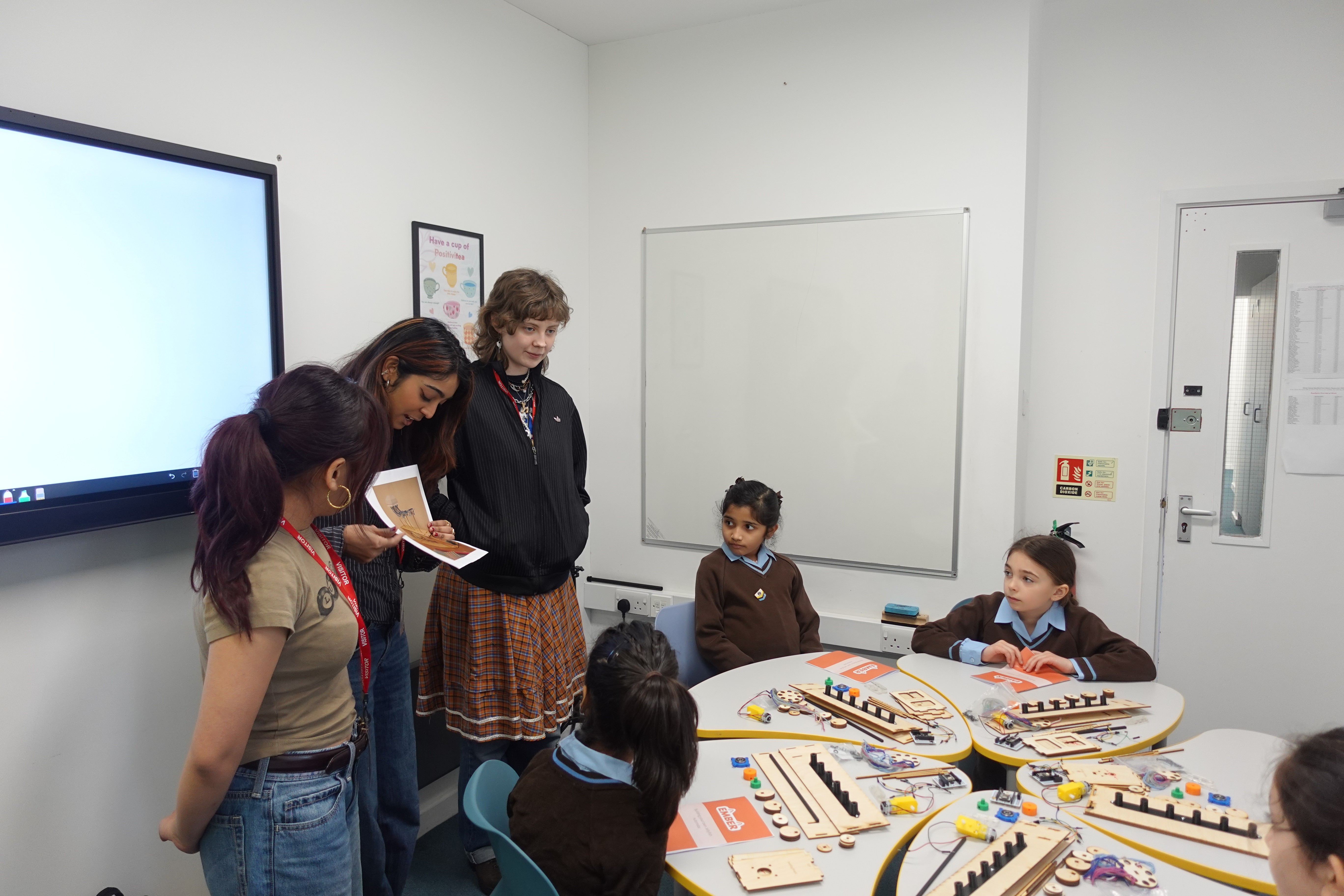
A/B Testing Individual
We conducted a second round of A/B testing where each child received their own kit. This setup allowed us to evaluate engagement, comprehension, and the impact of storytelling in the instructions on an individual level. Insights from this testing guided final refinements to both the kit and instructional materials.
5
6
Current Stage
We are refining the Ember kit for rollout, whilst developing additional features and add-ons.